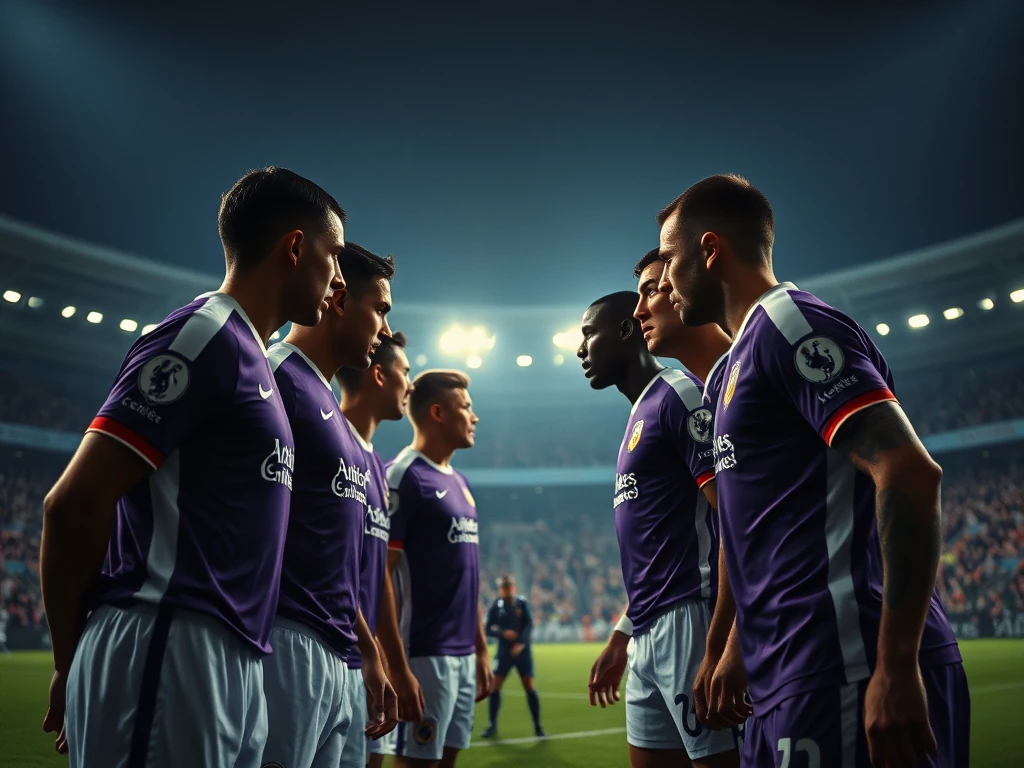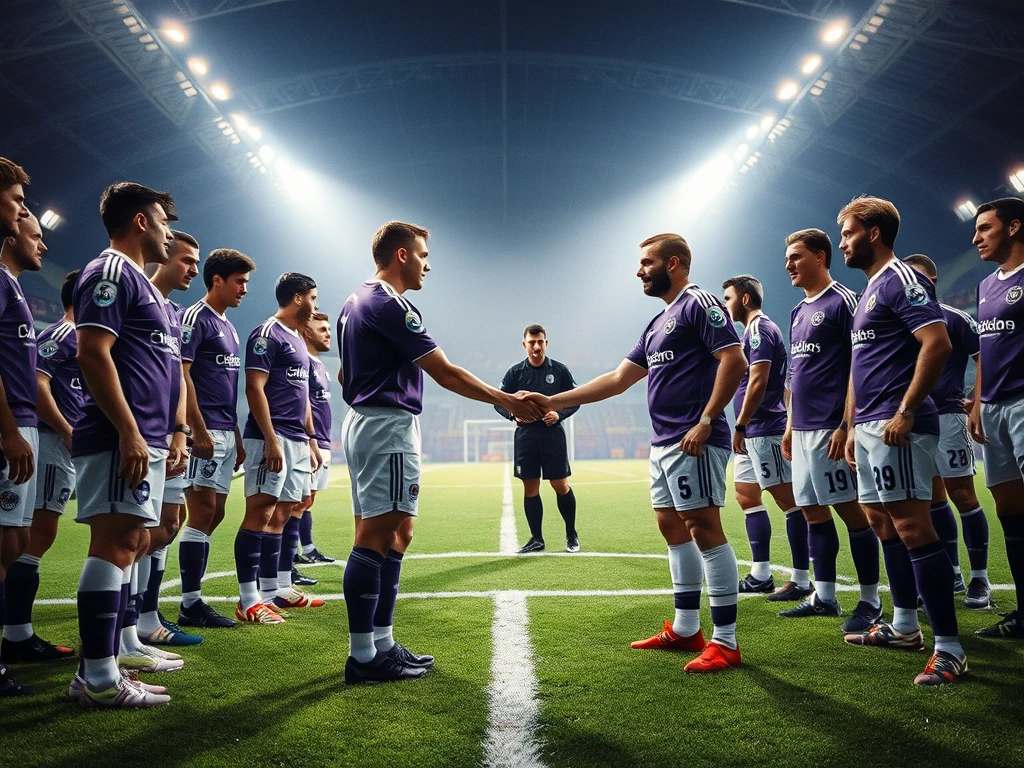
The final eleven names who took to the field against Union Saint-Gilloise weren't just a team; they were a living snapshot of RSC Anderlecht at a crossroads. This selection embodied the tension between a glorious past and an uncertain present, with each player symbolizing a fragment of the club's search for a lost compass. It was a reflection of the strategic choices, financial realities, and deep-seated ambition that have defined the club for decades, but now with a renewed sense of urgency. What did this specific lineup mean for the future of Paars-wit, and how does it reflect the fundamental questions about where the club currently stands?
The Weight of the Badge: A Legacy Under Scrutiny
There was a time when RSC Anderlecht needed no introduction. The club was synonymous with dominance, an unyielding force in Belgian football that regularly challenged Europe. Titles were a given, and the youth academy produced a constant stream of talent that formed the core of the national team. It was an era when the purple and white colors instilled fear in every opponent in the Jupiler Pro League, and the thought of a season without a serious title challenge was unimaginable. The club was a beacon of stability and success, a model for ambitious clubs across Europe. The stadium, the old Constant Vanden Stockstadion and later the Lotto Park, was a fortress, a place where legends were born and history was written.
But that time, it seems, is over. The club's Facebook post about the “final XI of the season” against USG felt more like a moment of reflection than triumph. It was a team that battled in the Champions’ Play-Offs, a phase that used to be a formality on the way to the title, but now represented a severe test. The pressure on players like Jan Vertonghen and Kasper Dolberg was immense; they carried not only the expectations of a season but also the weight of half a century of club history on their shoulders. It was a reminder of the saying that Anderlecht is a top club without a compass, an entity that needs to redefine its direction and identity in a rapidly changing football landscape. The glory years of the 1980s and 1990s, when players like Enzo Scifo and Franky Vercauteren wore the Paars-wit shirt with unmatched flair, seem a distant memory.
The squad for this key match was a microcosm of the club's recent philosophy: a blend of experienced forces, young talents from Neerpede, and a few strategic signings. These were players who, each in their own way, embodied the challenges facing the current Anderlecht. The question hanging over Lotto Park was not only whether this team could win the match, but whether it had the potential to lay the foundations for a sustainable return to the top. The club management, led by CEO Sports Jesper Fredberg and coach Brian Riemer, faces the difficult task of reconciling the nostalgia of the past with the reality of the present and the ambitions for the future.
Handling the Play-Offs: Tactical Decisions and Player Performance
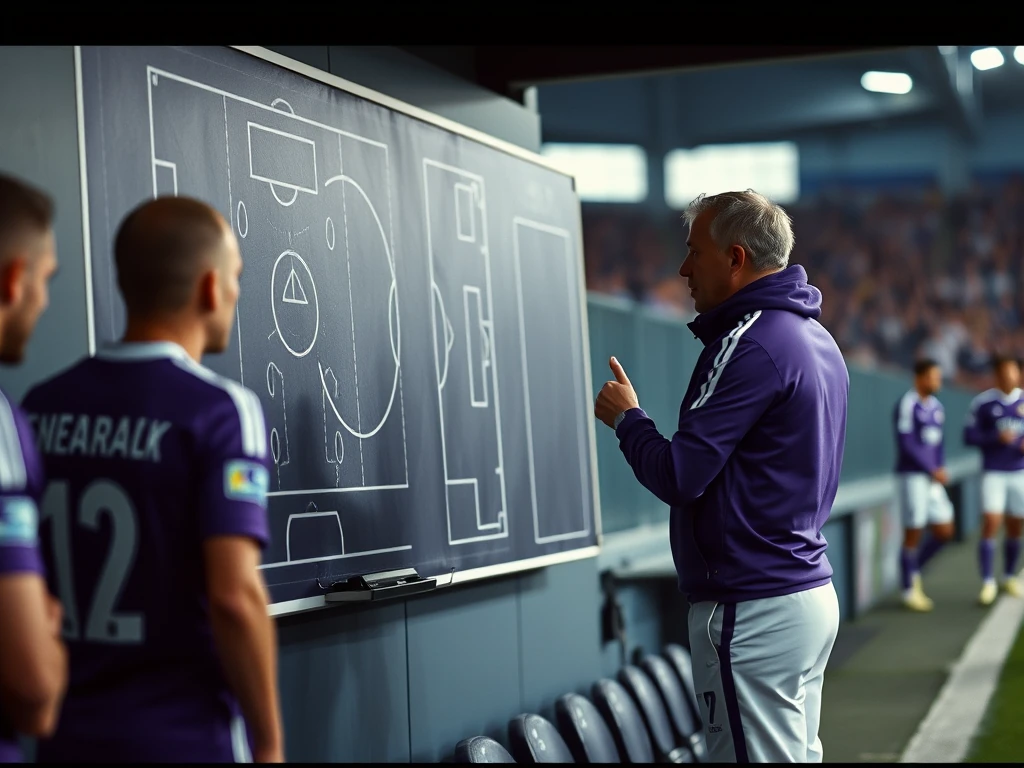
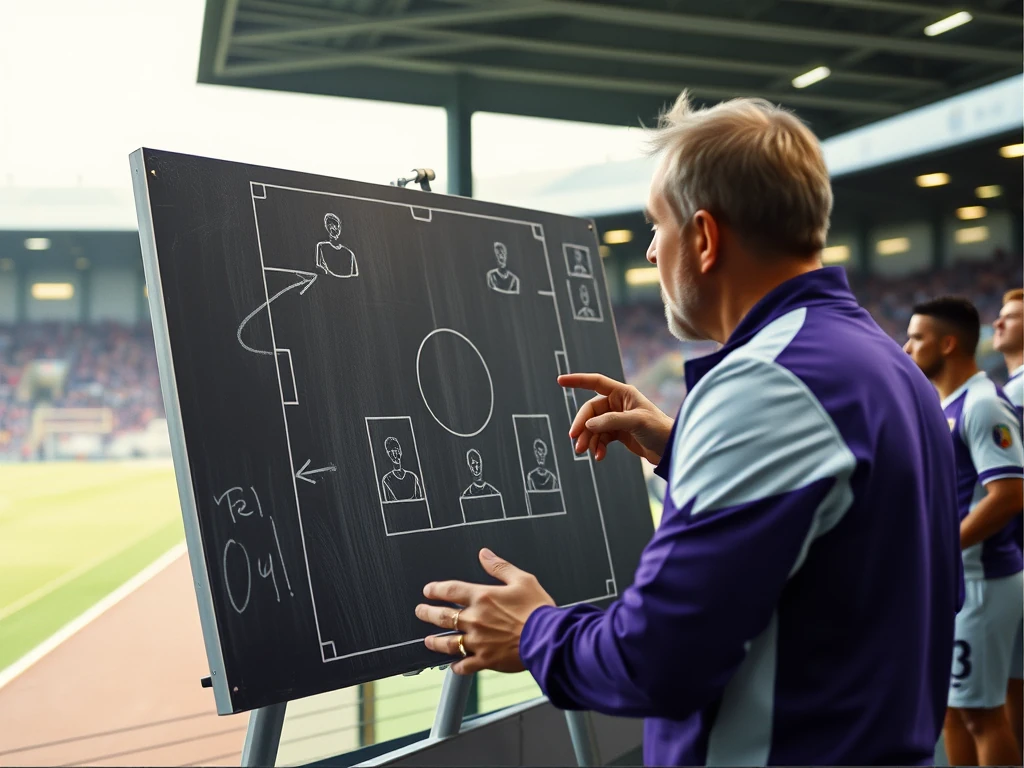
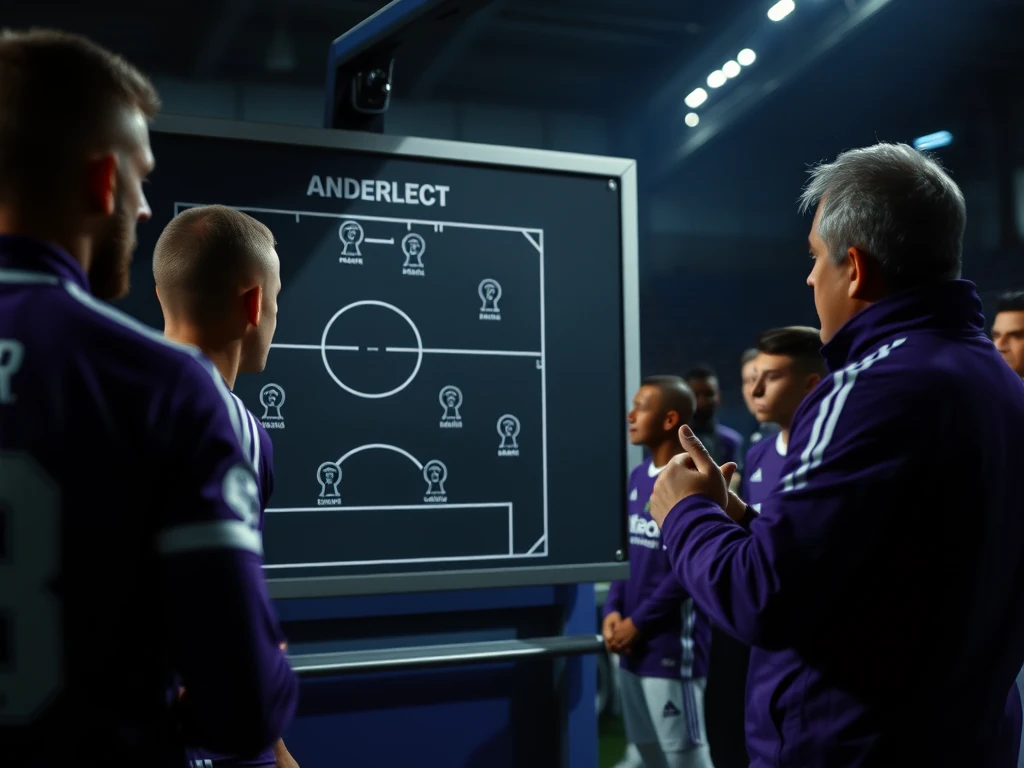
The Champions’ Play-Offs are a beast of their own, a mini-league where every match feels like a final. For the confrontation with Union Saint-Gilloise, a direct rival who has challenged the traditional hierarchy in recent years, Brian Riemer's tactical choices were key. The lineup, often a 4-3-3 or 4-2-3-1, had to find a balance between defensive stability and attacking threat. The presence of Zeno Debast at the heart of the defense, alongside the experienced Vertonghen, was a constant; his development is one of the few undisputed successes of recent seasons. His ability to play out from the back and his positional intelligence are invaluable.
In midfield, we often saw a mix of work ethic and creativity, with players like Mats Rits or Mario Stroeykens dictating play. The attacking line, with Kasper Dolberg as the spearhead and wingers like Anders Dreyer and Thorgan Hazard, had the task of converting the chances created. Dolberg proved to be a reliable goalscorer in his first season at Anderlecht, but the consistency of the attack as a whole was sometimes a weak point. The effectiveness of the pressing and the speed of transitions were often decisive in the Play-Off matches. Against USG, known for its high intensity and direct play, it was essential to win duels and claim second balls. Critics, however, will argue that Riemer was too conservative in key moments, causing the team to play too reactively instead of proactively at times. This perceived lack of daring, some believe, contributed to missing important points, especially in matches where a victory was essential to maintain the top position.
Individual player performances fluctuated throughout the season. Thorgan Hazard, a player of undeniable quality, had moments of brilliant inspiration but sometimes struggled with the consistency required to lead a team to a championship. Anders Dreyer, on the other hand, proved to be a constant threat from the right flank, with his shots and assists often making the difference. The lack of squad depth, especially on the bench, meant that Riemer had limited options to turn the tide when the game wasn't going according to plan. This highlighted the need for targeted reinforcements in the upcoming transfer windows.
The Evolution of the Paars-wit Identity
The statement that Anderlecht is a “top club without a compass” touches on the core of a deeper issue: the identity crisis that has plagued the club in recent years. What does it mean to be Paars-wit in 2024? Is it a club that adheres to the traditional Belgian playing style, or one that embraces modern European trends? The composition of the final XI against USG offered a glimpse of the current direction. The focus on homegrown youth, represented by players like Debast and Stroeykens, is commendable and essential for the long term. Neerpede remains one of Europe's best academies, but the transition to the first team and the successful integration of these talents require patience and a clear vision.
In addition, we see the presence of experienced, expensive forces such as Vertonghen and Hazard, who are expected to provide the necessary leadership and quality. The question is whether this mix - young talents and established names - creates the right balance to compete with financially stronger rivals and emerging forces in the league. It's a delicate balancing act. The club has tried to implement a clear playing style under Riemer, based on organization, intensity, and efficiency, but the execution wasn't always consistent. This has led to frustration among fans, who are accustomed to more dominance and flair. Anyone who's followed RSC Anderlecht this season will know that the journey has been anything but smooth, marked by moments of brilliance interspersed with periods of stark mediocrity. The club has not yet managed to close the gap with the absolute top, and that is a harsh reality.
The challenge lies in forging a coherent identity that both honors the club's rich history and responds to the demands of modern football. This means not only attracting the right players but also creating a culture where winning is second nature and where every player embodies the values of Anderlecht. It is a long-term project, where every decision, from youth development to the transfer market, must contribute to restoring that lost compass. It's about finding the soul of the club in an era of commerce and rapid change, and defining what Paars-wit truly represents to its millions of fans.
What this means for RSC Anderlecht
For the loyal supporters of RSC Anderlecht, seeing the final XI against Union SG was an emotional experience, a mix of hope, pride, and inevitable reflection. It symbolized the end of a season that once again didn't deliver the desired climax, and that deeply affects the fanbase. Fans want to see their club back at the top, not only competing for European football, but for the national title. The results of these Play-Offs and the performance of this team determine not only the immediate future for European qualification but also the mood and confidence for the next season. A place in the Champions League or Europa League is key for the club's financial health and its attractiveness to new talents. Missing these ambitions means less revenue and a greater challenge to attract top players, which can perpetuate the cycle of mediocrity. This strikes at the core of the club, and fans feel this directly in their wallets and their hearts, as season ticket sales and the atmosphere in the stadium demonstrate.
The performance of the final XI and the season as a whole has not only confronted fans with the current sporting reality but also with the question of whether the club management is steering the right course. There is a deep desire for clarity and a concrete vision that goes beyond empty promises. The uncertainty surrounding the future of key players and anticipated transfers creates a nervous anticipation. The impact of the season is palpable at every level, from discussions in the canteens to analyses in fan forums. It is a period of evaluation, where every supporter wonders whether the club is truly taking the necessary steps to close the gap with the competition. The club must now, more than ever, restore its connection with its fanbase by demonstrating transparency and decisive action.
Beyond the Final Whistle: Player Futures and Club Vision
With the final whistle of the 2023-2024 season in the Play-Offs against Union Saint-Gilloise, attention immediately shifted to the future. The composition of the final XI, and the broader squad, will undoubtedly undergo significant changes. Players like Kasper Dolberg and Anders Dreyer will likely be coveted targets on the transfer market, while the future of loanees or players with expiring contracts, such as potentially Thorgan Hazard (depending on his contract status and performance), will be closely monitored. The club management, with Jesper Fredberg at the helm of sporting policy, faces a key summer. It is a period when the foundations for the next season are laid, and when the ambitions of RSC Anderlecht must be redefined.
The challenge is varied. On the one hand, the club must consider financial realities, which means potentially selling players to balance the books and enable investments in new talents. On the other hand, there is an absolute necessity to improve the quality of the squad and increase its depth, so that Brian Riemer has more options during a long and demanding season. Competition in the Jupiler Pro League is fierce, with Club Brugge and Union SG setting high standards. Integrating youth players from Neerpede remains a priority, but they must be given the opportunity to grow without excessive pressure. The balance between experience and youth, and between new signings and homegrown talent, will be key for the club's long-term success.
The club's vision must be clear: to return to the absolute top of Belgian football and become a regular fixture in Europe again. This requires a clear strategy at all levels, from scouting to medical staff. The performance of the final XI against USG is not the endpoint, but a starting point for a new cycle. The club must learn from past mistakes and make courageous decisions to begin the ascent once more. It is a process that will take time, but the groundwork for renewed success must be laid now.
- Squad depth and quality: The need to strengthen and broaden the squad is evident, especially in attack and midfield.
- Financial sustainability and transfer policy: A smart approach to the transfer market is key, with targeted signings and strategic sales.
- Youth integration: The flow of talent from Neerpede must be optimized, with clear development pathways.
- Consistency against top opponents: The ability to consistently perform in important matches needs to improve.
- Winning mentality: Restoring an unwavering winning mentality is essential to win titles again.
What's next
The summer months will be key for RSC Anderlecht. The board, technical staff, and players must unite behind a common goal: to bring the club back to where it belongs. This means not only smart transfers and effective preparation but also restoring the trust of the fans, who yearn for a clear identity and a team that fights for every inch.
The road will be long and challenging, but the potential is there. With a clear vision, determination, and the unconditional support of its fanbase, RSC Anderlecht can find its compass again and write a new chapter in its rich history. Expectations are high, and the need to perform has never been greater. The time for action is now.